The Complete Food Guide
You’ve just invested in a brighter smile — the last thing you want is to undo your results at dinner. So, What Can I Eat After Teeth Whitening? Here’s exactly what to eat, what to avoid, and how long you need to be careful.
Why What You Eat After Teeth Whitening Actually Matters
Teeth whitening isn’t just about lifting stains — it temporarily changes the structure of your enamel. During the whitening process, peroxide-based agents open up tiny pores in the enamel surface to break down stain molecules. For 24 to 72 hours after treatment, these pores remain open and your teeth are in a highly vulnerable state.
Think of your enamel like a sponge that’s been wrung out — it’s ready to absorb whatever it comes into contact with. Pigments from food and drink can seep in and re-stain your teeth far more easily than they would normally. This is why what you eat in the first few days after whitening can make or break your results.
The good news? A little planning goes a long way. Follow the guidelines below and your results will last significantly longer.
The White Diet: What to Eat After Teeth Whitening
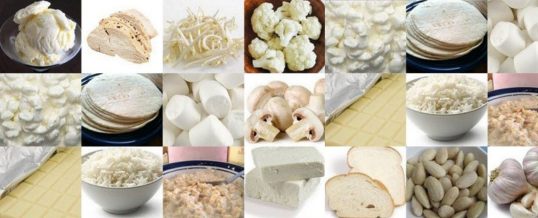
Teeth Whitening Clinics commonly recommend what’s known as the “white diet” in the 24–72 hours following a whitening treatment. The principle is simple: if it would stain a white shirt, it will stain your freshly whitened teeth.
Here’s what’s safe to eat:
✅ Safe Foods After Teeth Whitening
Proteins
- Chicken (grilled or baked, without dark marinades or sauces)
- White fish such as cod, haddock, or sole
- Turkey breast
- Eggs (scrambled, poached, or boiled — without yolk-heavy sauces)
- Tofu
Dairy
- Milk
- Natural yoghurt (plain, unflavoured)
- White cheese such as mozzarella, ricotta, and cream cheese
- Butter
Carbohydrates
- White bread, plain crackers, or plain rice cakes
- White rice and plain pasta
- Plain oats (porridge without fruit or dark toppings)
- White potatoes (boiled or mashed without skins)
Vegetables
- Cauliflower
- White onion
- Mushrooms
- Celery
- Peeled cucumber
- White cabbage
Fruit
- Peeled apples or pears (avoid the skin, which contains more pigment)
- White grapes
- Bananas
Drinks
- Still water (the safest choice)
- Milk
- Clear coconut water
- Non-coloured herbal teas (such as chamomile) — served warm, not hot
What NOT to Eat After Teeth Whitening
Avoid anything with strong colour, high acidity, or tannins for at least 48 hours — ideally 72 hours — after whitening.
❌ Foods and Drinks to Avoid
The biggest offenders:
- Coffee and tea — among the most common causes of tooth staining even under normal circumstances; especially risky post-whitening
- Red wine — deeply pigmented and acidic; a double threat to fresh results
- Dark fizzy drinks — cola, dark sodas, and energy drinks
- Fruit juices — especially orange, cranberry, tomato, and grape juice
- Soy sauce, dark vinegars, and balsamic dressing
- Tomato-based sauces — pasta sauces, ketchup, and pizza sauce
- Curry and turmeric — one of the most potent staining spices
- Dark chocolate and dark sweets
- Berries — blueberries, blackberries, raspberries, and cherries are beautiful but destructive to whitening results
- Beetroot
- Dark fruits — pomegranates, mangoes (which stain more than people expect), and red grapes with skins
- Acidic foods — citrus fruits (lemons, oranges, limes), vinegar-based foods, and pickles; these soften enamel even if they don’t stain
- Red and processed meats — beef, lamb, and cured meats like salami or prosciutto can leave pigment on teeth
- Alcohol (most types) — dehydrates the mouth and often contains pigments
How Long Should You Follow the White Diet?
The most critical period is the first 24 to 48 hours after whitening. This is when the enamel pores are most open and the risk of re-staining is highest.
For best results, extend the white diet to 72 hours (3 days) after your treatment. By this point, the enamel has largely remineralised and closed back up, offering much better natural resistance to staining.
| Time After Whitening | Risk Level | Recommended Action |
|---|---|---|
| 0–24 hours | Very high | Strict white diet only |
| 24–48 hours | High | Continue white diet, avoid all dark drinks |
| 48–72 hours | Moderate | Mostly white diet; introduce light-coloured foods carefully |
| 72+ hours | Lower | Return to normal diet with mindful staining food habits |
Drinks After Teeth Whitening: A Special Note
Drinks are often more damaging than food because they coat all tooth surfaces simultaneously and are consumed frequently throughout the day.
If you can’t avoid coffee or tea during the first 72 hours, here are two harm-reduction strategies teeth whitening clinics often suggest:
- Use a straw — this allows liquids to bypass the front teeth, reducing contact with the enamel you’ve just whitened
- Rinse immediately with water — after consuming anything potentially staining, a quick water rinse helps before pigments can set
Neither of these is a substitute for avoidance during the critical window, but they’re better than nothing if circumstances demand it.
What About Alcohol After Teeth Whitening?
Alcohol is best avoided for at least 24 hours post-whitening for two reasons:
- It dehydrates the mouth, reducing saliva — and saliva is one of your mouth’s natural defences against staining
- Many alcoholic drinks are deeply pigmented — red wine, dark spirits, and coloured cocktails are high-risk
White wine and clear spirits are lower risk from a pigment standpoint, but both are acidic and can soften enamel, making it more susceptible to staining from other foods.
Temperature Matters Too
In addition to avoiding staining foods, you should also avoid very hot or very cold foods and drinks for the first 24 hours. Post-whitening sensitivity is common, and extreme temperatures can trigger sharp discomfort. Lukewarm or room-temperature food and drinks are most comfortable during this period.
Meal Ideas for the First 48 Hours
Need some inspiration? Here are easy, delicious meals that fit the white diet perfectly:
Breakfast
- Porridge with a drizzle of honey and sliced banana
- Scrambled eggs on white toast
- Natural yoghurt with sliced pear and white grapes
- Cream cheese on a plain bagel
Lunch
- Grilled chicken breast with mashed potato and steamed cauliflower
- Plain pasta with a light cream sauce (no tomato) and white fish
- Egg salad sandwich on white bread
- Tofu and rice with a light soy-free dressing
Dinner
- Baked cod with boiled potatoes and steamed white vegetables
- Chicken risotto (without dark stock — use a light or white stock)
- Pasta with a butter and garlic sauce and grilled chicken
- Poached eggs on white toast with sliced avocado (avocado is low-staining)
Snacks
- Plain crackers with cream cheese
- Banana slices
- Peeled cucumber sticks
- Plain natural yoghurt
How to Extend Your Whitening Results Long-Term
Once your enamel has recovered from the initial whitening window, the following habits will help keep your smile bright for longer:
- Rinse with water after staining foods and drinks — even if you can’t brush immediately
- Use a whitening toothpaste for gentle daily maintenance between professional treatments
- Drink coffee and tea through a straw where possible to reduce contact with front teeth
- Stay on top of professional cleans — hygienist polishing removes surface staining before it builds up
- Schedule top-up whitening every 6–12 months to maintain your shade
- Quit or reduce smoking — tobacco stains teeth faster than almost any food or drink
Frequently Asked Questions
Can I drink coffee through a straw after teeth whitening? Yes, using a straw is a helpful harm-reduction strategy if you really can’t avoid coffee in the first 72 hours. It doesn’t eliminate risk, but it significantly reduces the amount of liquid touching your front teeth. The full related article can be found here.
Can I eat normally the day after teeth whitening? It’s best to continue the white diet for at least 48 hours, and ideally 72. The second day is still within the high-risk window for re-staining.
Can I brush my teeth after eating post-whitening? Yes — and it’s actually encouraged. Brushing gently after meals helps remove any potential staining residue. Just wait 30 minutes after eating to avoid brushing acid into the enamel, and use a soft-bristled toothbrush.
What happens if I accidentally eat something that stains? Don’t panic. Rinse your mouth with water immediately and brush as soon as the 30-minute post-meal window has passed. One slip is unlikely to dramatically affect your overall results, especially if you catch it quickly.
Does the white diet apply to take-home whitening kits too? Yes — the same logic applies. After each whitening session with take-home trays, avoid staining foods and drinks for at least a few hours, and especially follow the strict white diet after your final session of the course.
The Bottom Line
The white diet isn’t complicated — it just takes a bit of planning. The first 48–72 hours after teeth whitening are the most important window for protecting your results. Stick to light-coloured, low-acid foods, avoid coffee, tea, red wine, and dark sauces, and rinse with water after anything remotely staining.
A small investment in mindful eating now protects the bigger investment you’ve made in your smile.
Professional In-Clinic Teeth Whitening Auckland
iSmile Professional In-Clinic Teeth Whitening Auckland offers the most developed, safe and gentle teeth whitening system available on the market today! iSmile Auckland Teeth Whitening Practitioners are fully qualified and registered members of the New Zealand Cosmetic Teeth Whitening Association (NZCTWA). Check out iSmile Teeth whitening treatment options.
Contact us today to schedule an appointment!
Learn more about Professional In Clinic Teeth Whitening Auckland
Follow iSmile on Instagram and Facebook
Go straight to iSmile Online Bookings
Share
JUN
2026
About the Author: