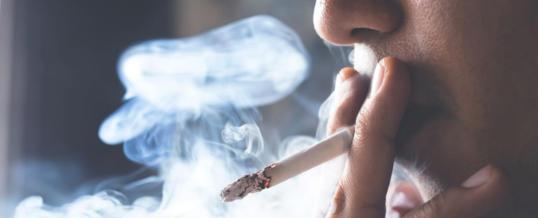
If you smoke or use nicotine products, you may have noticed your teeth becoming increasingly yellow, brown or stained over time. What may have started as a slight change in colour can gradually become more noticeable, particularly around the gum line and between the teeth. How do you remove nicotine stains from teeth?
The good news is that nicotine and smoking-related tooth stains can often be significantly improved with the right treatment.
But what actually causes the staining? Can you remove it at home? Will professional teeth whitening work on smoker’s teeth? And can your teeth become white again after years of smoking?
Let’s take a closer look.
Does nicotine cause stains on teeth?
Yes — but there is an important distinction.
Nicotine itself is not the only reason smokers develop stained teeth. Cigarette smoke contains numerous substances that can contribute to tooth discolouration. Nicotine can also oxidise and contribute to a yellowish appearance, while tar and other compounds in tobacco smoke can create darker, more stubborn staining.
Over time, repeated exposure can cause stains to build up on the surface of the teeth.
This is why regular smokers may develop:
- Yellow teeth
- Brown or darker surface stains
- Staining around the gum line
- Discolouration between teeth
- A generally dull or darker-looking smile
The longer the exposure, the more noticeable the staining can become.
Can smoking stains be removed from teeth?
In many cases, yes.
However, the best approach depends on the type and severity of the staining.
Some tobacco stains are extrinsic stains, meaning they are located primarily on the outer surface of the tooth. These may respond well to professional cleaning and polishing.
Other discolouration can penetrate further into the tooth and may require professional teeth whitening to achieve a more noticeable improvement in overall tooth colour.
This is why simply brushing harder is unlikely to completely reverse years of smoking-related discolouration.
Does teeth cleaning remove nicotine stains?
Professional dental cleaning can be very effective for removing plaque, calculus and some external tobacco staining.
However, cleaning and whitening are two different treatments.
A scale and polish can remove deposits and surface staining sitting on the tooth. Teeth whitening is designed to lighten the natural colour of the tooth.
If your teeth have both heavy surface staining and an overall yellow or darker shade, cleaning may be an important first step before considering whitening.
If you have significant tartar, gum problems, cavities or other dental concerns, you should see your dentist before having your teeth whitened.
Can teeth whitening remove smoking stains?
Professional teeth whitening can significantly improve the appearance of many smoking-related stains.
Whitening works differently from simply removing surface debris. A professional whitening treatment uses a whitening gel to help break down stain molecules within the tooth, allowing the tooth to appear lighter.
The result will vary from person to person.
Factors that can affect the outcome include:
- How long you have smoked
- How frequently you smoke
- The severity and type of staining
- Your natural tooth colour
- The condition of your enamel
- Existing dental work such as crowns, veneers or fillings
Very dark or deeply established staining may require a more comprehensive approach, and not every type of discolouration will respond equally to whitening.
Can yellow smoker’s teeth become white again?
This is one of the most common questions smokers ask.
Often, yes — but the result depends on what is causing the discolouration.
If the yellowing is primarily caused by external staining and the natural tooth structure remains healthy, professional whitening may produce a significant improvement.
However, whitening cannot change the colour of dental restorations such as crowns, veneers or composite fillings.
It is also important to have realistic expectations. Teeth whitening isn’t about achieving an identical shade for everyone. The goal is to safely brighten your natural teeth while taking your starting shade and dental health into account.
What is the best way to remove nicotine stains from teeth?
There isn’t one solution that works for every smoker.
A good approach is:
1. Have your teeth professionally assessed
Before whitening, your teeth should be checked for issues that could affect treatment, including cavities, cracks, gum disease or significant deposits.
2. Remove heavy surface deposits
If you have significant plaque, calculus or external staining, a professional dental clean may be recommended.
3. Consider professional teeth whitening
Once your teeth are clean and healthy, professional whitening can help lighten the natural tooth shade and improve the overall appearance of smoking-related discolouration.
4. Reduce the source of staining
If you continue smoking, your teeth will remain exposed to substances that can cause further staining.
This doesn’t mean whitening is pointless if you smoke — but it does mean maintaining your results requires more attention.
Can you remove nicotine stains from teeth at home?
You’ll find plenty of home remedies claiming to remove tobacco stains, including baking soda, lemon juice, charcoal and abrasive scrubs.
Be careful.
Some DIY methods can be overly abrasive or acidic and may damage the tooth surface or irritate your gums. Making your teeth feel “cleaner” doesn’t necessarily mean you have safely removed the underlying discolouration.
Whitening toothpastes can help with some surface stains, but they generally aren’t a substitute for professional whitening when the goal is to noticeably lighten the overall colour of the teeth.
For stubborn or long-standing smoking stains, professional assessment is a much safer approach than experimenting with aggressive home remedies.
Does vaping stain your teeth?
Vaping and smoking are not identical, and the degree of tooth staining can vary depending on the product and individual use.
Nicotine-containing vaping products can still expose the mouth to substances that may contribute to oral health concerns, and some vaping products may contribute to tooth discolouration.
If you’ve noticed your teeth becoming yellow after switching to vaping, don’t assume that vaping cannot affect the appearance of your smile.
Can teeth whitening remove nicotine stains?
In many cases, yes.
However, if you continue smoking after whitening, new staining can develop and your results may not last as long as they otherwise might.
Think of professional whitening as giving your smile a fresh start — maintaining that result requires looking after your teeth afterwards.
Good oral hygiene, regular professional dental care and reducing exposure to staining substances can all help maintain a brighter smile.
How long does teeth whitening last for smokers?
There isn’t a single timeframe that applies to everyone.
The longevity of whitening results depends on factors including your diet, oral hygiene, natural tooth colour and exposure to staining substances such as tobacco, coffee, tea and red wine.
For smokers, ongoing exposure to tobacco can mean that staining returns sooner than it might for someone who doesn’t smoke.
The good news is that maintaining a bright smile doesn’t necessarily mean repeatedly undergoing intensive treatments. Your whitening provider can advise you on an appropriate maintenance approach based on your individual results.
How can I prevent nicotine stains from teeth coming back?
If you’ve invested in whitening, you’ll want to keep your teeth looking their best.
Consider:
- Brush twice a day with a suitable fluoride toothpaste
- Floss or clean between your teeth daily
- Attend regular dental check-ups and cleans
- Drink water regularly
- Limit foods and drinks that are highly staining
- Avoid aggressive DIY whitening methods
- Follow your whitening provider’s aftercare instructions
- Most importantly, reducing or stopping smoking can help reduce future staining and benefits your overall oral health
How many shades can smoking stains be whitened?
The amount of whitening possible varies considerably between individuals.
Some people with relatively mild staining may see a noticeable improvement after one professional treatment, while people with years of heavy staining may require a different approach.
At iSmile™, we assess your starting shade and the appearance of your teeth to help determine which professional whitening treatment is most appropriate.
The objective isn’t simply to make teeth “as white as possible” — it’s to achieve a brighter, natural-looking result while working within the limitations of your individual teeth.
What if my stains don’t respond to whitening?
Not all tooth discolouration is caused by smoking.
Teeth can become darker due to ageing, certain medications, trauma, enamel changes or internal tooth discolouration. Dental restorations can also appear darker than natural teeth.
If a particular tooth is significantly darker than the others, or if you have unexplained discolouration, it’s important to have it assessed by a dentist.
Professional whitening isn’t suitable for every type of stain.
Nicotine stains don’t have to define your smile
Years of smoking can leave your teeth looking noticeably darker, but yellow or stained teeth don’t necessarily have to stay that way.
Professional cleaning can remove certain types of surface staining, while professional teeth whitening can help lighten the natural colour of suitable teeth.
If you’re unhappy with the colour of your teeth because of smoking or nicotine staining, the first step is understanding what type of staining you actually have and what treatment is likely to work best for you.
At iSmile™ Teeth Whitening Auckland, professional teeth whitening treatments are designed to help brighten natural teeth and improve the appearance of staining.
If you’re considering whitening after years of smoking, get in touch with iSmile™ to discuss whether professional teeth whitening is suitable for you.
Frequently Asked Questions
Does nicotine permanently stain teeth?
Nicotine and tobacco exposure can contribute to significant tooth discolouration, but many external stains and some overall tooth discolouration can be improved. The result depends on the type and severity of the staining.
Can you whiten teeth after years of smoking?
Yes, suitable teeth can often be whitened even after many years of smoking. The degree of improvement varies depending on the individual and the type of staining.
Will brushing remove nicotine stains?
Brushing can help prevent and reduce surface staining, but it generally cannot remove established, deeper discolouration on its own.
Is professional whitening better than whitening toothpaste for smoker’s teeth?
They serve different purposes. Whitening toothpaste primarily helps with some surface stains, whereas professional whitening is designed to lighten the natural tooth colour.
Will smoking make my teeth yellow again after whitening?
Continued smoking can contribute to new staining, so smokers may find that whitening results don’t last as long as they would with less exposure to staining substances.
Can brown smoking stains be removed?
Some brown surface stains can be removed with professional cleaning, while other discolouration may respond to professional whitening. The appropriate treatment depends on the cause and depth of the staining.
Professional In-Clinic Teeth Whitening Auckland
iSmile Professional In-Clinic Teeth Whitening Auckland offers the most developed, safe and gentle teeth whitening system available on the market today! iSmile Auckland Teeth Whitening Practitioners are fully qualified and registered members of the New Zealand Cosmetic Teeth Whitening Association (NZCTWA). Check out iSmile Teeth whitening treatment options.
Contact us today to schedule an appointment!
Learn more about Professional In Clinic Teeth Whitening Auckland
Follow iSmile on Instagram and Facebook
Go straight to iSmile Online Bookings
ShareJAN
2021
About the Author: