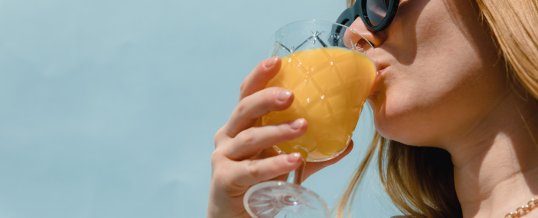
Many people believe drinking orange juice contributes to a healthy lifestyle
When it comes to protecting your smile, many people assume professional teeth whitening is harmful while healthy drinks like orange juice are harmless. Surprisingly, the opposite can often be true. Orange juice may actually cause more damage to your tooth enamel than professional teeth whitening treatments when consumed regularly. In this article, we’ll explore how orange juice affects your teeth, whether whitening treatments are safe, and how to maintain a brighter, healthier smile without damaging enamel.
How Orange Juice Affects Your Teeth
Orange juice is highly acidic. Most orange juices have a pH level between 3 and 4, making them acidic enough to soften tooth enamel over time. Enamel is the hard outer layer that protects your teeth, and once it wears away, it cannot grow back.
Frequent exposure to acidic drinks like orange juice can lead to:
- Tooth enamel erosion
- Increased tooth sensitivity
- Yellowing teeth
- Higher risk of cavities
- Rough or weakened tooth surfaces
Even freshly squeezed orange juice contains natural acids that can weaken enamel. While vitamin C is beneficial for your health, repeated acid exposure throughout the day can be harmful to your teeth.
Why Orange Juice Can Make Teeth Look More Yellow
Many people drink orange juice believing it contributes to a healthy lifestyle, but the acid in citrus drinks gradually wears down enamel. As enamel becomes thinner, the naturally yellow dentin underneath becomes more visible. This means orange juice can actually contribute to stained or yellow-looking teeth over time.
Is Teeth Whitening Bad for Your Teeth?
Professional teeth whitening often gets an unfair reputation. In reality, professionally supervised whitening treatments are considered safe when used correctly.
Modern whitening systems use peroxide-based gels designed to lift stains from the surface of the teeth without permanently damaging enamel.
Professional in-clinic teeth whitening treatments are carefully controlled by trained practitioners who monitor:
- Whitening gel strength
- Treatment duration
- Tooth sensitivity
- Gum protection
- Overall oral health
Temporary sensitivity is the most common side effect, but it usually disappears within a few days.
Orange Juice vs Teeth Whitening: Which Is More Harmful?
When comparing the long-term effects, orange juice does pose a greater risk to your enamel than occasional professional teeth whitening.
Orange Juice
- Acidic exposure occurs daily for many people
- Gradually erodes enamel
- Can increase staining and yellowing
- Weakens teeth over time
Professional Teeth Whitening
- Performed occasionally
- Designed to safely remove stains
- Minimal risk when professionally supervised
- Temporary sensitivity is usually manageable
The key difference is frequency and acidity. Drinking acidic beverages daily exposes your teeth to continual enamel wear, while whitening treatments are generally performed only a few times per year.
Can Whitening Damage Enamel?
Research shows professional whitening products do not permanently remove enamel when used properly. Overusing cheap or unregulated whitening products, however, may increase sensitivity or irritate gums.
DIY whitening hacks involving lemon juice, baking soda, or activated charcoal are often far more damaging than professional whitening systems.
Tips to Protect Your Teeth from Orange Juice
If you enjoy orange juice, you don’t necessarily need to avoid it completely. Here are some ways to minimise damage:
Drink It Quickly
Avoid sipping orange juice slowly throughout the day. Constant acid exposure is worse for enamel.
Use a Straw
Drinking through a straw helps reduce contact between the juice and your teeth.
Rinse with Water Afterwards
Rinse your mouth with plain water after drinking acidic beverages.
Wait Before Brushing
Do not brush immediately after drinking orange juice. Acid softens enamel temporarily, and brushing too soon can increase erosion. Wait at least 30 minutes.
Limit Acidic Drinks
Reduce frequent consumption of citrus juices, soft drinks, sports drinks, and energy drinks.
The Best Way to Keep Teeth White
Maintaining white teeth involves more than whitening treatments alone. Good oral hygiene and limiting acidic foods and drinks are essential.
For long-lasting results:
- Brush twice daily with fluoride toothpaste
- Floss regularly
- Avoid smoking or vaping
- Limit coffee, red wine, and acidic drinks
- Schedule regular dental cleans
- Choose professional whitening over DIY methods
What to researches have to say
Researchers at the Eastman Institute* for Oral Health, part of the University of Rochester Medical Center, set out to learn if there are negative effects on the tooth from using whitening products. Eastman Institute’s YanFang Ren, DDS, PhD, and his team determined that the effects of 6 percent hydrogen peroxide, the common ingredient in professional and over-the-counter whitening products, are insignificant compared to acidic fruit juices.
Decreased enamel hardness
Orange juice markedly decreased hardness and increased roughness of tooth enamel. Unlike ever before, researchers were able to see extensive surface detail thanks to a new focus-variation vertical scanning microscope. “The acid is so strong that the tooth is literally washed away,” said Ren, whose findings were published in Journal of Dentistry. “The orange juice decreased enamel hardness by 84 percent.” No significant change in hardness or surface enamel was found from whitening.
Weakened and eroded enamel may speed up the wear of the tooth and increase the risk for tooth decay to quickly develop and spread. “Most soft drinks, including sodas and fruit juices, are acidic in nature,” Ren said. “Our studies demonstrated that the orange juice, as an example, can potentially cause significant erosion of teeth.” It’s long been known that juice and sodas have high acid content, and can negatively affect enamel hardness.
“There are also some studies that showed whitening can affect the hardness of dental enamel, but until now, nobody had compared the two,” Ren explained. “This study allowed us to understand the effect of whitening on enamel relative to the effect of a daily dietary activity, such as drinking juices.
Tooth Erosion
“It’s potentially a very serious problem for people who drink sodas and fruit juices daily,” said Ren, who added that dental researchers nationwide are increasingly studying tooth erosion, and are investing significant resources into possible preventions and treatments. “We do not yet have an effective tool to avert the erosive effects, although there are early indications that higher levels of fluoride may help slow down the erosion.”
Warning to consumber
In the meantime, Ren advises that consumers be aware of the acidic nature of beverages, including sodas, fruit juices, sports and energy drinks. The longer teeth are in contact with the acidic drinks, the more severe the erosion will be. People who sip their drinks slowly over 20 minutes are more likely to have tooth erosion than those who finish a drink quickly. It’s also very important to keep good oral hygiene practices, Ren added, by brushing twice daily with fluoride toothpaste, and see a dentist for a fluoride treatment at least once a year if you are at risk.
A Texas-based company, Beyond Dental and Health, sponsored the trial in part by providing the 6 percent hydrogen peroxide.
Final Thoughts – Is orange juice bad for your teeth?
So, Is orange bad for your teeth? In many cases, yes. The daily acid exposure from orange juice can slowly erode enamel and contribute to yellowing teeth, while professional teeth whitening is generally safe when performed correctly. If you want a brighter smile, protecting your enamel is just as important as whitening your teeth. Moderation, proper dental care, and professional advice are the best ways to maintain a healthy, white smile for years to come.
Professional In-Clinic Teeth Whitening Auckland
iSmile Professional In-Clinic Teeth Whitening Auckland offers the most developed, safe and gentle teeth whitening system available on the market today! iSmile Teeth Whitening Practitioners are fully qualified and registered members of the New Zealand Cosmetic Teeth Whitening Association (NZCTWA). Check out iSmile Teeth whitening treatment options.
Contact us today to schedule an appointment!
Learn more about Professional In Clinic Teeth Whitening Auckland
Follow iSmile on Instagram and Facebook
Go straight to iSmile Online Bookings
ShareJUN
2017
About the Author: